


The homebuilder market is showing warning signs not seen since the 2008-09 housing crash. Builders are sitting on a growing pipeline of homes that buyers simply aren’t purchasing fast enough.
While completed homes continue to sell at a reasonable pace, future inventory is piling up at levels that suggest demand for new construction has weakened dramatically.
The latest data from the Reventure App shows that homes under construction now have 14.8 months of supply, while permitted homes not yet started have surged to a record 21.3 months of supply.
Both figures are comparable to, or even worse than, the levels recorded during the Great Financial Crisis. That suggests builders are struggling to justify launching new projects as buyer demand slows.
There is one bright spot. Completed spec homes remain relatively healthy, with just 3.9 months of supply.
Builders have successfully moved this inventory by offering aggressive mortgage rate buydowns, price reductions, and other incentives. However, those promotions appear to be supporting today’s sales at the expense of tomorrow’s construction pipeline.

The Homebuilder Market Is Sending a Warning Signal
The biggest concern isn’t the homes builders have already finished. It’s the homes they haven’t started building yet. Permitted homes waiting for construction now represent more than 21 months of supply, the highest level ever recorded.
That number tells an important story about today’s housing market.
Builders continue pulling permits and preparing future projects, but buyers aren’t committing early in the construction process. Without enough pre-sales, developers have little incentive to break ground on additional homes.
Future Construction Demand Is Drying Up
Historically, buyers often purchased homes before construction was completed, giving builders confidence to keep expanding.
Today’s market looks very different. Higher mortgage rates and worsening affordability have pushed many buyers to the sidelines, leaving future inventory without enough demand to support it.
The result is a growing backlog of planned homes that may never move into active construction.
If this trend continues, builders are likely to reduce land purchases and delay future developments until market conditions improve.
Homes Under Construction Are Also Building Up
The slowdown extends beyond future projects. Homes already under construction have reached 14.8 months of supply, a level that closely mirrors conditions seen during the 2008-09 housing downturn.
Once builders begin construction, they still need buyers willing to complete the purchase.

Unlike completed homes, properties still being built are becoming increasingly difficult to sell. Buyers are hesitant to commit months in advance when mortgage rates remain elevated and economic uncertainty persists. That has created a growing inventory of unfinished homes waiting for buyers.
Why Under-Construction Homes Matter Most
Many housing analysts focus primarily on completed homes because they represent immediate inventory.
However, homes under construction account for the largest share of the builder pipeline.
They currently represent more than half of all active new-home inventory, making them a much better indicator of future market conditions.
If builders continue struggling to sell homes already under construction, the logical response will be fewer housing starts.
That doesn’t necessarily mean demand will recover. Instead, it could simply reflect builders adjusting to a market where buyers are becoming increasingly cautious.
Completed Spec Homes Remain the Exception
Not every part of the homebuilder market is weakening.
Completed spec homes currently have only 3.9 months of supply, which is close to a balanced market. Builders are still finding buyers for move-in-ready homes, especially when paired with attractive financing incentives.
The reason is simple. Buyers can move in immediately while taking advantage of mortgage rate buydowns, closing cost assistance, and price discounts. Those incentives have helped large national builders like Lennar and D.R. Horton continue generating sales even as broader demand slows.
Builders Are Relying on Incentives to Keep Sales Moving
The strength in completed spec homes doesn’t necessarily mean the homebuilder market is healthy. Instead, it reflects how aggressively builders are working to move finished inventory. Mortgage rate buydowns, price reductions, and generous closing-cost incentives have become standard tools for attracting buyers.
These incentives have helped prevent a much sharper decline in new-home sales.
Buyers who might otherwise remain on the sidelines are responding to lower monthly payments created by builder financing programs.
Without those incentives, completed inventory would likely be sitting on the market much longer.

The sales data reveals a growing divide. Completed homes continue to sell reasonably well, but sales of homes still under construction have fallen back below pre-pandemic levels.
Even more concerning, sales of permitted homes not yet started have dropped to levels not seen since the aftermath of the housing crash.
Why Builders Could Soon Cut Housing Starts
The current inventory imbalance leaves builders with few good options.
Continuing to start new projects while demand weakens only increases the amount of unsold inventory moving through the pipeline. At some point, reducing new construction becomes the most logical business decision.
That adjustment could happen sooner rather than later. Builders already have hundreds of thousands of homes in various stages of development, giving them little reason to accelerate new starts. Instead, many are likely to focus on selling existing inventory before committing additional capital to future projects.
What This Means for the Housing Market
A slowdown in homebuilding won’t just affect builders. It could reshape housing supply, home prices, and buyer opportunities over the next several years. If you want a deeper breakdown of how today’s builder recession could impact the broader U.S. housing market, watch the video below.
Fewer Housing Starts Won’t Fix the Homebuilder Market
Some analysts argue that fewer housing starts will quickly tighten supply and stabilize the housing market. While that may sound reasonable, the reality is more complicated. If builders reduce construction because demand is falling, sales volume could decline alongside new supply.
Today’s buyers are responding to choice and incentives. Large inventories give builders the flexibility to negotiate prices and offer mortgage rate buydowns that make monthly payments more affordable.
If that inventory shrinks, many of those incentives may disappear, removing one of the biggest reasons buyers are purchasing new homes today.
The Inventory Data Challenges a Common Housing Narrative
The latest figures also challenge the argument that America simply isn’t building enough homes. If builders truly faced a severe supply shortage, inventory would not be approaching recession-era levels across multiple stages of construction.
Instead, the data suggests the industry has a demand problem rather than a production problem.

Across the entire new-home market, inventory reached 10.3 months of supply in May 2026. Outside of the Great Financial Crisis, the early 1980s recession, and the brief mortgage rate shock of 2022, the United States has rarely experienced inventory levels this elevated.
What the Homebuilder Market Means for the Housing Outlook
The homebuilder market often provides an early signal of where the broader housing market is heading.
Rising inventory, weakening pre-sales, and slowing construction activity suggest builders are preparing for a prolonged period of softer demand. If housing starts decline over the coming quarters, new-home sales could slow even further.
There is also a broader economic implication.
Historically, builder recessions of this magnitude have occurred alongside or shortly before wider economic downturns.
While history doesn’t guarantee another recession, the current data suggests the construction sector is flashing caution signals that deserve close attention.

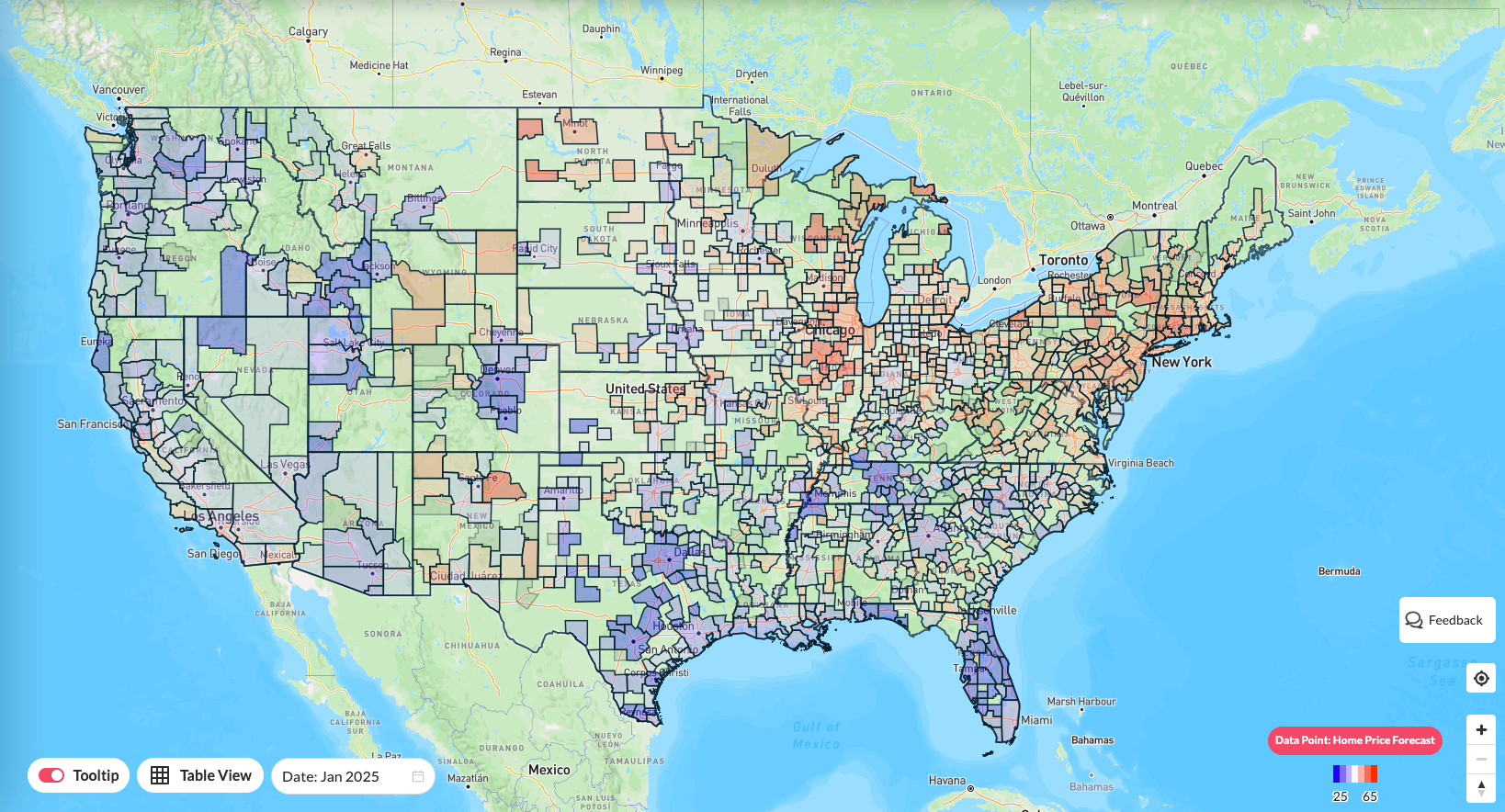
The best way to stay ahead of these market shifts is by following local data rather than relying on national headlines. The Reventure App lets you track inventory, home prices, builder activity, and housing forecasts for your city and ZIP code.
Whether you’re buying, selling, or investing, understanding local trends can help you make smarter real estate decisions before the rest of the market catches up.
Explore your local housing market today with the Reventure App.







6 Responses