Florida New Build Drops $115,000 in Just Two Years. Is This Post-Crash Pricing?

 August 25, 2026
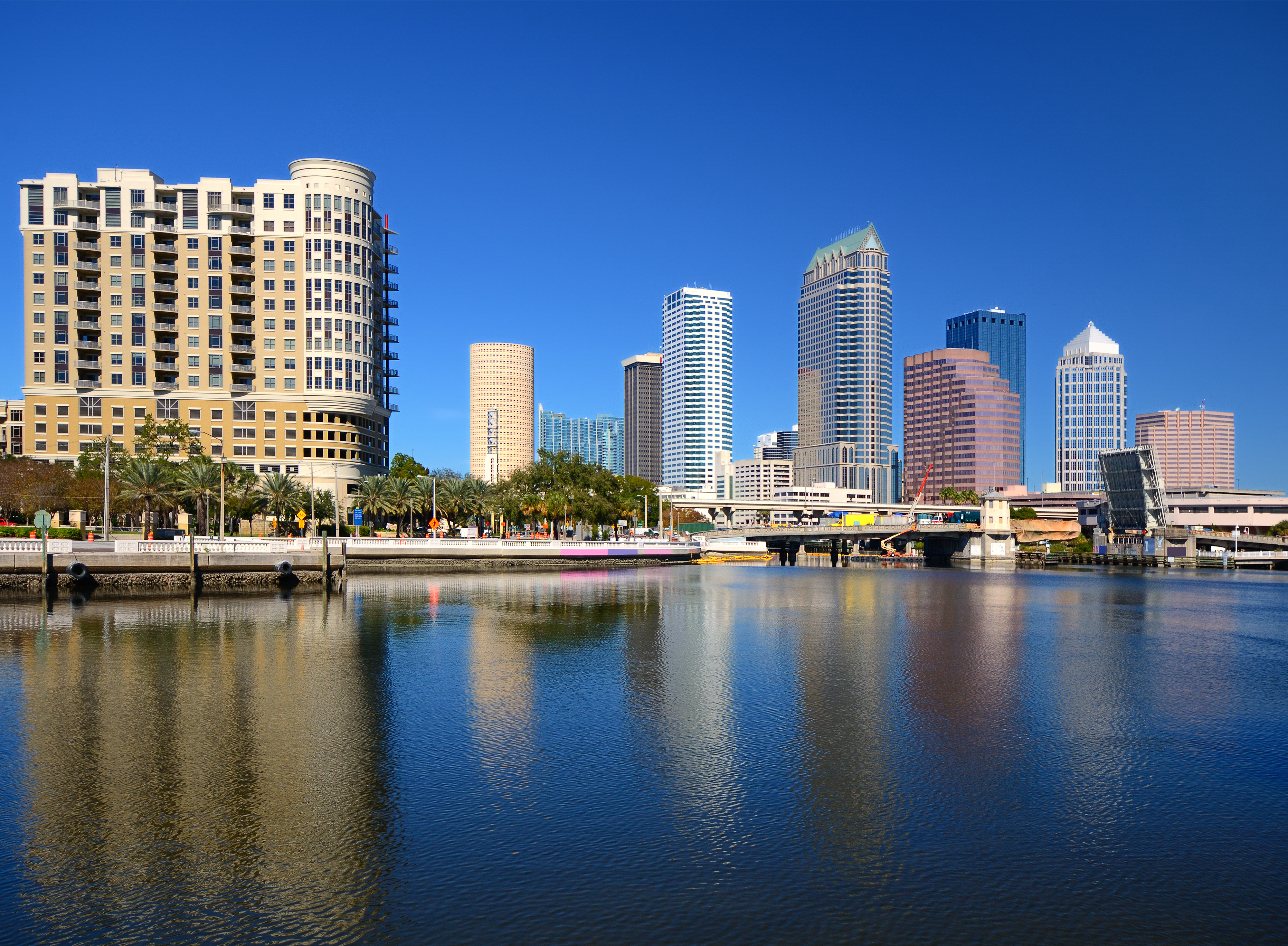
A nearly new Florida home is being listed for $115,000 less than its 2024 purchase price.
The owner purchased the property for approximately $525,000 as a new build. Just two years later, it is listed for roughly $410,000 in a VA short sale—a stunning 22% decline.
And the discount goes deeper than the headline number. At approximately $123 per square foot, the property is priced well below nearby comps, which average more than $160 per square foot.
The surrounding ZIP code north of Tampa has declined only about 6.4% since the purchase. Yet this individual property is down nearly 22%, suggesting the distressed seller is pricing well ahead of the broader correction.
The listing itself shows just how dramatic that gap has become. The home sold for roughly $525,000 in July 2024, but the current asking price has fallen to about $410,000, putting a nearly new Florida property more than $115,000 below its previous sale price.

There could still be a downside ahead. Reventure forecasts another roughly 8% decline for the ZIP code over the next 12 months as elevated inventory, long days on market and price cuts continue weighing on values.
But something important is beginning to happen across parts of Florida.
Distressed properties are increasingly reaching prices that look less like small corrections and more like post-crash pricing.
Florida New Build Loses $115,000 in Two Years
This property illustrates just how quickly the economics of homeownership can change in a declining market.
The home was purchased for approximately $525,000 in 2024 with a VA mortgage at a reported 6.87% interest rate. The lender and builder associated with the transaction were Lennar, which has been aggressively resetting new-home prices as the housing market slows.
The mortgage history helps explain why a relatively modest decline in local home values can create significant financial pressure. Public records show the property was financed with a VA loan covering almost the entire purchase price, leaving the owner with relatively little initial equity to absorb a housing correction.

Property taxes subsequently climbed to around $10,000 per year.
Once the mortgage, taxes, and other housing expenses are considered, the owner’s monthly housing cost was likely close to $4,500.
That’s a substantial payment even before considering maintenance, insurance, and other expenses.
Now the property is being offered for approximately $410,000.
The $115,000 difference represents a 22% decline from the previous purchase price—and because it’s a short sale, the situation provides another example of mortgage distress emerging in Florida’s correcting housing markets.
Why Mortgage Distress Is Emerging in Florida
This isn’t simply about one homeowner.
During the pandemic housing boom and its aftermath, buyers across Florida purchased properties at rapidly rising valuations. Low-down-payment financing made it possible for some buyers to enter the market with relatively little equity.
That works when prices keep appreciating.
It becomes much more problematic when values fall.
A homeowner who purchased with limited equity can quickly become underwater if the local market declines 5%, 10%, or more.
Add high mortgage rates, rising property taxes, insurance costs, and an increasing number of competing homes for sale, and some owners may have few attractive options if they need to move.
That’s the environment beginning to produce distressed listings across parts of Central and Western Florida.
But distress for sellers can eventually translate into affordability for buyers.
Florida New Build Is Priced at Just $123 Per Square Foot
The most interesting aspect of this particular listing may be its price per square foot.
At approximately $123 per square foot, the home is nearly 25% below a commonly cited industry replacement-cost benchmark.
Nearby listing comps also provide an interesting comparison.
Comparable properties in the area are generally asking $160 or more per square foot.
That means the distressed property isn’t simply cheaper than its previous sale price. It’s also being offered at a substantial discount relative to competing listings.
Reventure’s Listing Analyzer estimates a potential fair offer range of approximately $365,000 to $400,000. That distinction matters because a large discount from the previous purchase price doesn’t automatically mean the current list price is the best price a buyer can get. Reventure’s property-level analysis suggests the seller may already be close to fair value, while still leaving room for a more aggressive offer.

So even after a $115,000 reduction, buyers may still have room to negotiate.
And that’s where the analysis becomes more complicated.
Is a 22% Discount Enough?
One of the hardest questions in a correcting housing market is determining when a falling property has finally become a good deal.
Looking only at the previous purchase price can be misleading.
A home that falls from $525,000 to $410,000 appears dramatically cheaper. But if the original $525,000 valuation was inflated by pandemic-era market conditions, the previous price isn’t necessarily a reliable measure of fair value.
That’s why comparing the property with its surrounding market is useful.
According to Reventure’s analysis, home values in this ZIP code north of Tampa have fallen approximately 6.37% since the property’s 2024 purchase.
The individual house, meanwhile, has declined approximately 21.91%.
That’s significant.
The seller has already absorbed more than three times the percentage decline experienced by the surrounding market. This is where the discount becomes more interesting. The surrounding market has certainly weakened, but the individual seller has cut far more aggressively than the ZIP code itself. That means the property’s decline isn’t simply tracking the market—it is substantially outrunning it.

For a buyer, that’s an encouraging signal because the property appears to be priced ahead of the correction rather than behind it.
Florida Housing Supply Still Creates Downside Risk
There is one major reason buyers shouldn’t assume the bottom has arrived.
Supply.
The area north of Tampa remains inundated with housing inventory. Homes are spending longer on the market, sellers are making frequent price cuts and buyers have considerably more negotiating power.
Those are classic characteristics of a buyer’s market. That shift is already visible across the broader Tampa market, where rising supply and weaker seller leverage have increasingly pushed conditions in favor of buyers.
Yet today’s weak market is also creating unusually large valuation gaps between distressed homes and competing properties. The current listing is priced at only $123 per square foot, while similar homes in the surrounding area generally remain much closer to the $160-per-square-foot range or higher.

And Reventure’s forward-looking model suggests the correction has further to run.
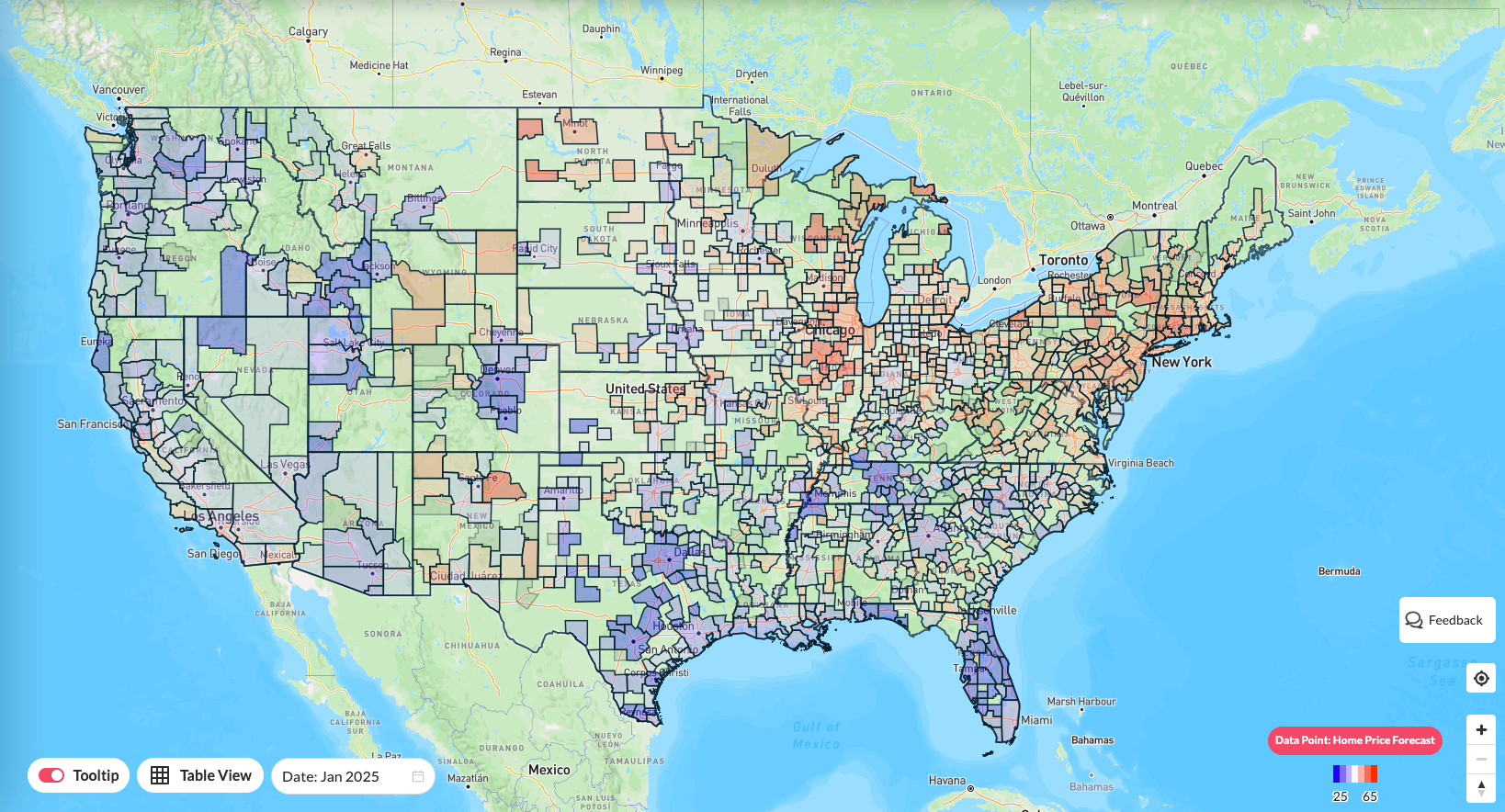
The ZIP code surrounding this property is forecast to experience another approximately 8% decline over the next 12 months. And the weakness isn’t confined to a single property. Reventure’s ZIP-level forecast shows much of the immediate Zephyrhills area facing additional declines, with ZIP code 33541 projected to fall approximately 8.5% over the next 12 months.

That means someone paying the full $410,000 asking price today could potentially watch surrounding market values fall further after closing.
But a negative forecast doesn’t necessarily mean buyers should avoid the market.
It means they should negotiate accordingly.
Florida New Build Shows Why Buyers Can Negotiate Harder
Consider what happens if the property can be purchased closer to Reventure’s estimated range.
At $400,000, the buyer would already be roughly 24% below the home’s 2024 purchase price.
At $365,000, the discount would exceed 30%.
That creates a substantially larger cushion against additional local price declines.
The key is recognizing the difference between a falling price and genuine value.
In a seller’s market, buyers frequently have to compete with one another and make offers close to—or even above—the asking price.
In today’s weaker Florida markets, the dynamic can be reversed.
High inventory, longer selling times, distressed owners and declining forecasts give buyers reasons to make more conservative offers.
Is Florida Reaching Post-Crash Pricing?
Florida’s correction clearly isn’t finished everywhere.
Many markets remain expensive relative to local incomes, and additional price declines are possible where inventory continues to overwhelm demand.
But individual properties can reach attractive valuations before the overall market bottoms.
That’s what makes distressed listings particularly interesting.
A county or ZIP code might be down only 6% or 7%, while an individual seller who needs to exit could accept a 20%, 25%, or even 30% discount from peak pricing.
We’re increasingly seeing examples of this across Central and Western Florida.
And when newer homes begin trading near $120 per square foot, buyers should at least investigate whether the market is beginning to offer valuations that haven’t been available for several years.
Is Florida Finally Reaching Post-Crash Pricing?
A Florida new build purchased for $525,000 in 2024 is now listed for approximately $410,000—a $115,000 loss in only two years.
The seller has already cut the property by roughly 22%, even though the surrounding ZIP code has declined only about 6.4%. At $123 per square foot, the asking price also sits substantially below nearby listing comps.
But buyers still need to account for what happens next.
Reventure forecasts another roughly 8% decline for the local ZIP code over the coming year, suggesting there may be room to negotiate below today’s asking price.
That’s why declining forecasts can actually be useful information for buyers. They reveal markets where negotiating leverage is shifting away from sellers.
Reventure Premium provides 2027 housing forecasts for nearly 30,000 U.S. ZIP codes, along with valuation metrics and unlimited access to the Reventure Listing Analyzer. Buyers can use the Listing Analyzer to evaluate individual properties and estimate potential offer ranges based on local conditions.
The Florida correction may have further to go.
But when distressed sellers are already listing nearly new homes 20% to 30% below previous purchase prices, we’re beginning to see something that was almost unimaginable during the pandemic boom: Post-crash pricing before the broader market has finished correcting.