The Midwest Now Leads America in Rent Growth (10 of the Top 15 Markets Are Here)

 July 17, 2026
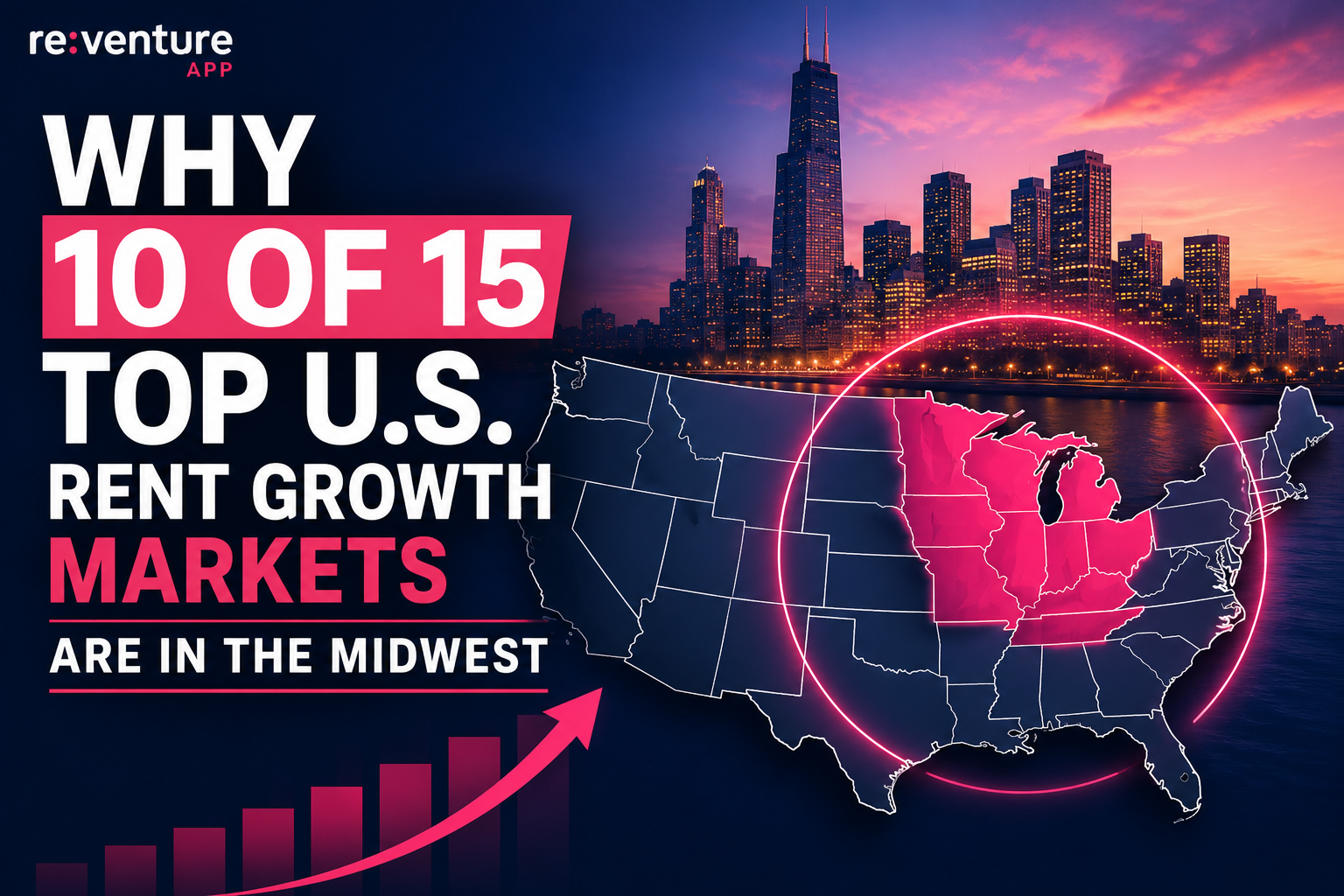
The biggest housing trend in America isn’t happening where most investors are looking. Ten of the 15 top U.S. Rent Growth markets since 2022 are located in the Midwest and Northeast, signaling a major shift in housing demand.
While Florida, Texas, and Arizona led the pandemic boom, today’s strongest rent increases are occurring in affordable legacy cities that are quietly reclaiming their competitive edge. Chicago, Hartford, Madison, and Buffalo have all posted apartment rent growth above 10% since 2022, suggesting that demand is shifting back toward affordable legacy markets.
That marks a dramatic reversal from the migration patterns seen between 2020 and 2022. During that period, renters flooded into fast-growing Southern metros, pushing apartment rents and home prices to record highs. Today, many of those same markets are experiencing falling rents, rising vacancies, and increasing competition among landlords.
U.S. Rent Growth Shows the Housing Map Is Flipping
The data tells a remarkably different story than it did only a few years ago. Ten of the fifteen metros with the strongest apartment rent growth since August 2022 are located in either the Midwest or the Northeast. Chicago leads the country with rents increasing 13.6%, followed by Hartford, Madison, Buffalo, Milwaukee, and Rochester.
This shift isn’t limited to apartment rents. Home prices are strengthening across many of these same regions, particularly in Upstate New York, where several cities have emerged as some of America’s strongest-performing housing markets.
The New York housing market provides another example of how affordable legacy markets are outperforming many former pandemic boomtowns.
The easiest way to see this reversal is by comparing the metro areas with the strongest rent appreciation since 2022. Instead of Florida and Texas dominating the rankings, affordable Midwest and Northeast markets now occupy most of the top positions.

This is not simply a story about apartment supply. It reflects a broader shift in where Americans want to live, work, and rent. Apartment rents respond much faster than home prices because leases reset frequently, making U.S. Rent Growth one of the clearest real-time indicators of changing housing demand.
Chicago Has Quietly Become America’s Strongest Rental Market
Few cities illustrate this shift better than Chicago.
Apartment rents have climbed from roughly $1,542 to $1,751 per month since 2022, making Chicago the nation’s strongest large metro for rent appreciation. Vacancy rates remain below pre-pandemic norms despite modest increases, allowing landlords to continue raising asking rents without relying on widespread concessions.
Chicago also posted its strongest domestic migration performance in roughly 35 years during 2025. While the metro still experienced a net population loss, far fewer residents left than in previous years. Combined with disciplined housing supply, that improvement has helped strengthen rental demand.
The broader lesson is that stable markets often outperform fast-growing boomtowns over time. Cities like Chicago, Hartford, Madison, and Buffalo rarely experience extreme swings in supply or demand. That stability supports consistent rent growth, stronger tenant retention, and healthier long-term housing fundamentals.
As affordability becomes increasingly important, U.S. Rent Growth suggests America’s next housing winners may come from the Midwest and Northeast rather than the Sun Belt.
The same trend is becoming increasingly visible across North Texas, where even some of the state’s wealthiest suburbs are seeing prices move below their pandemic highs. The recent slowdown in the Collin County housing market highlights how weakening demand is spreading beyond traditional boom markets.
Hartford Is Quietly Becoming One of America’s Strongest Rental Markets
Chicago isn’t the only surprise. Hartford, Connecticut, has quietly become one of the country’s best-performing apartment markets, despite receiving little attention from institutional investors or national housing headlines.
Apartment rents in Hartford have climbed from roughly $1,453 in 2022 to more than $1,630 today. Vacancy rates remain below pre-pandemic averages, allowing landlords to steadily increase asking rents without relying on widespread concessions.
The strength of Hartford demonstrates that the best rental markets aren’t always the fastest-growing cities. They are often markets where supply remains disciplined while demand gradually improves. That combination creates a healthier balance for both landlords and investors.
The story becomes even more compelling when compared with the owner-occupied housing market. Hartford home values have also continued rising, suggesting demand is strengthening across both rental and for-sale housing rather than in just one segment.
The rental market is only part of Hartford’s story. Home prices are also moving higher, reinforcing the idea that demand is improving across the entire housing market rather than just apartments.

Why the Sun Belt Is Losing Momentum
The other side of the U.S. Rent Growth story is just as important. Many of the cities experiencing the largest rent declines are the same markets that attracted millions of new residents during the pandemic. Austin leads the country with rents falling more than 20% since 2022. Fort Myers, Phoenix, San Antonio, Orlando, Atlanta, Charlotte, Nashville, and Dallas have also experienced meaningful rent corrections.

The contrast with the Sun Belt is striking. While Midwest and Northeast rents continue climbing, many of the pandemic’s hottest markets are now experiencing some of the largest rent corrections in America.
Many analysts attribute these declines solely to overbuilding. While new apartment construction has certainly increased supply, the data suggests another factor is equally important: weakening demand.
This market shift is happening in real time. In the video below, I explain why many former pandemic boomtowns are experiencing the biggest rental correction in decades, how rising vacancies are affecting landlords, and why slowing migration is accelerating rent declines across much of the Sun Belt.
Migration into many Sun Belt markets has slowed considerably since mortgage rates surged and housing affordability deteriorated.
Developers continued delivering thousands of new apartments just as renter demand began cooling. The result has been rising vacancies, longer lease-up periods, and aggressive incentives to attract tenants. What interests me the most is that the cooling demand isn’t limited to the Sun Belt.
Parts of California are experiencing similar adjustments as inventory rises and sellers become more aggressive with price reductions. Several of the California cities where home sellers are cutting prices the most show how quickly conditions can change when buyer demand slows.
Nashville illustrates this changing dynamic well. Rapid apartment construction and a surge in housing inventory have created far more competition for renters and buyers than existed just a few years ago. Our recent look at Nashville’s housing inventory surge explains why growing supply is making price corrections more likely.
While migration into the South has slowed, the Midwest is quietly experiencing the opposite trend. For the first time in decades, the region is attracting more domestic movers than it is losing.

Migration Patterns Are Changing Again
One of the biggest drivers behind U.S. Rent Growth is domestic migration.
Historically, migration between regions follows long-term economic cycles. During periods of low interest rates and strong economic expansion, Americans tend to relocate more frequently, with many choosing lower-cost Southern states.
Periods of higher borrowing costs often produce the opposite effect.
People become less willing to move because selling a home means giving up historically low mortgage rates. Many workers also remain closer to established employment centers during periods of economic uncertainty. As a result, migration into the South slows while the Midwest and Northeast retain more residents.
The migration data clearly shows why rental demand has cooled across much of the South. Domestic migration into Southern states has fallen sharply from its pandemic peak and now sits near its weakest level in decades.

The latest Census data reflects exactly that trend. Domestic migration into the South has fallen to one of its weakest levels in decades, while the Midwest recorded its first positive migration year in nearly forty years.
Viewed together, these two migration trends tell perhaps the biggest housing story of the decade. The gap between Southern and Midwest migration has narrowed to its smallest level in more than thirty years.

That narrowing migration gap helps explain why apartment rents are strengthening in cities like Chicago, Hartford, Buffalo, and Madison while softening across many former boomtowns.
What U.S. Rent Growth Means for Investors
The biggest takeaway is that the housing market is becoming far more selective. The next decade may reward investors who prioritize balanced supply, stable demand, and long-term affordability rather than simply chasing the fastest-growing metros. Legacy cities across the Midwest and Northeast increasingly fit that profile, while many Sun Belt markets continue working through excess apartment inventory.
No one knows exactly how long this cycle will last. Migration patterns will eventually shift again, and today’s strongest rental markets may not remain on top forever.
As local housing conditions continue to diverge, understanding whether renting or buying makes more financial sense depends increasingly on where you live. That’s exactly why comparing whether it’s better to buy or rent in 2025 has become more important than relying on national housing trends alone.
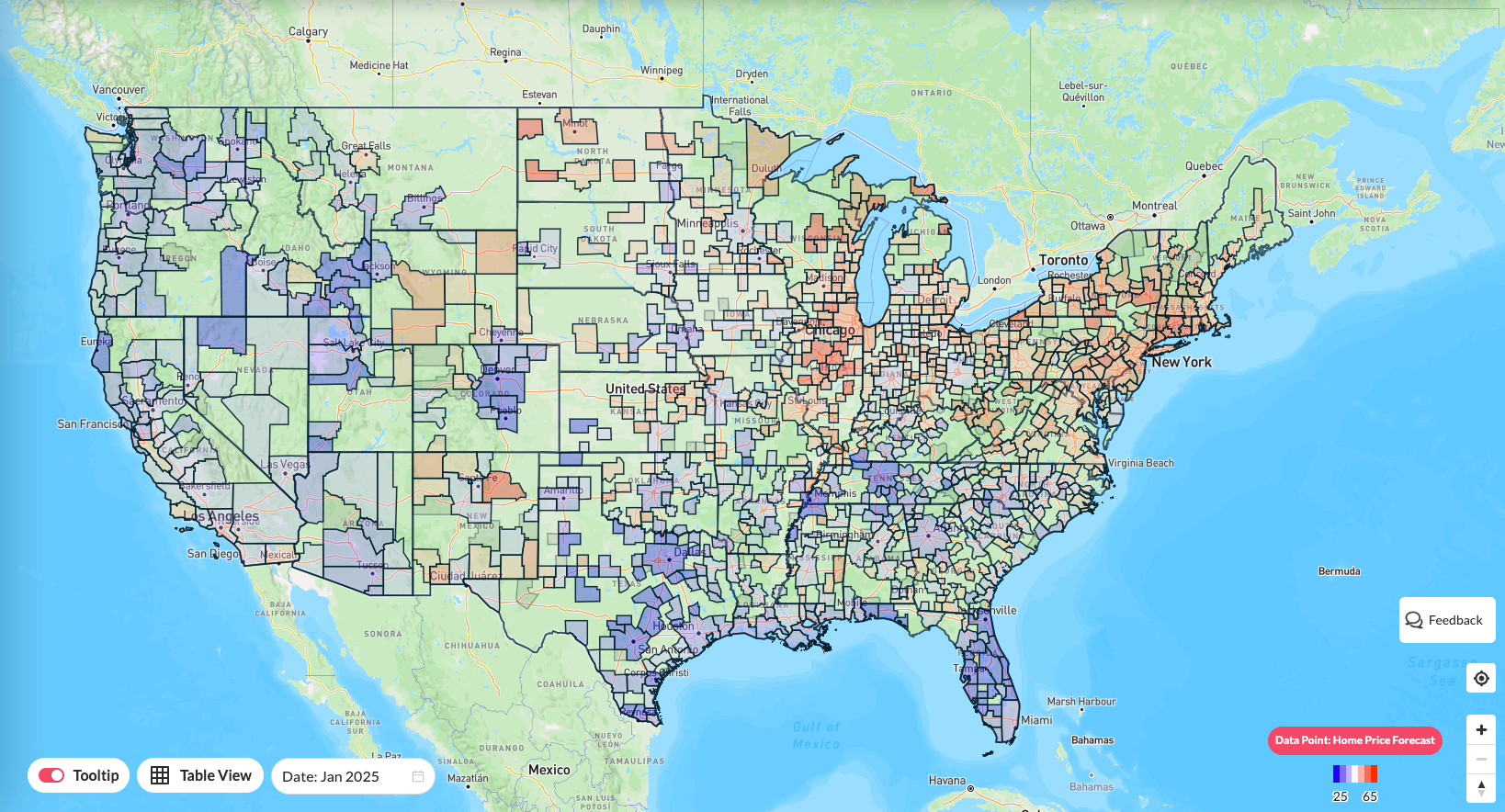
To stay ahead of these shifts, monitor both rent trends and home prices at the local level. With Reventure App, you can track market fundamentals, compare migration patterns, and view forecasts for nearly every ZIP code in America, helping you identify tomorrow’s strongest housing markets before the broader market catches on.

Frequently Asked Questions
1. Why is U.S. rent growth strongest in the Midwest and Northeast?
U.S. Rent Growth is strongest in these regions because they have tighter housing supply, improving migration trends, and more stable rental demand than many Sun Belt markets.
2. Why are rents falling in cities like Austin and Phoenix?
Rents are declining because apartment construction has outpaced demand, leading to higher vacancy rates, more concessions, and increased competition among landlords.
3. Will U.S. rent growth continue in 2026?
Current data suggests rent growth will remain strongest in affordable Midwest and Northeast metros, while many oversupplied Sun Belt markets could continue to experience slower growth or further declines.
4. Is rising rent growth a sign that home prices will increase?
Not always, but rising rents often indicate strengthening housing demand. When rent growth and home prices rise together, it usually points to healthier long-term market fundamentals.
5. How can I find out if rents and home prices are rising in my area?
Use the Reventure App to track local rent trends, home values, inventory levels, and forecasted housing market conditions for your ZIP code before making a buying or investing decision.





One Response