You’ve probably heard of the ‘30% rule’ in real estate. It’s one of those money guidelines that keeps popping up whenever people talk about renting or buying a home. The rule basically says you shouldn’t spend more than 30% of your income on housing.
Sounds simple, right? But in today’s world of rising rents, soaring home prices, and extra costs like taxes or insurance, it’s not always that straightforward.
Let’s break it down so that we can understand it:
What Exactly Is the 30% Rule?
The 30 percent rule says you shouldn’t spend more than 30% of your gross (pre-tax) income on housing. That includes your mortgage or rent, plus associated costs like insurance, taxes, and sometimes maintenance.
So, the idea is you leave the rest. And that is 70% for everything else, like bills, food, savings, and emergencies.
Where Did This Rule Come From?
The rule isn’t random. It has roots in U.S. housing policy going back to the 1960s and 70s. At the time, lawmakers needed a simple benchmark to define what ‘affordable housing’ meant, so they landed on the 30% figure.
Over time, financial planners and real estate experts started using it as a common guideline for budgeting. It became a way to quickly judge whether someone was stretching themselves too thin with housing.
Why the 30% Real Estate Rule Makes Sense (Sometimes)?
For many people, the 30% rule is a decent starting point. If you earn a stable income and live in an area where housing prices are relatively balanced, sticking to this rule can keep your finances in check.
It forces you to consider not just the rent or mortgage. But the hidden costs, like taxes and insurance, can easily be overlooked. It also helps you avoid being what’s known as ‘house poor.’ Meaning all your money is tied up in your home, while everything else becomes a struggle.
However, there’s a catch. The rule doesn’t always fit today’s reality. In high-cost cities, spending under 30% of your income on housing is almost impossible.
Many renters and buyers find themselves closer to 40% or even 50%. On top of that, the rule ignores other debts, like student loans or credit cards. It also doesn’t take into account differences in lifestyle or location. A family in New York faces very different costs than one in a smaller town.
How to Use the 30% Rule Smartly?
Instead of blindly following the 30% rule, think of it as a guideline. Start by looking at your take-home pay after taxes, then add up all your housing costs.
Compare that with your other regular expenses and see what percentage feels sustainable. For some, 25% may be plenty. For others, 35% might still be manageable. The key is to strike a balance that leaves room for savings and emergencies.
The 30% rule isn’t perfect, but it’s a useful tool to start the conversation about housing affordability.
How Reventure App Helps Realtors Win Deals?
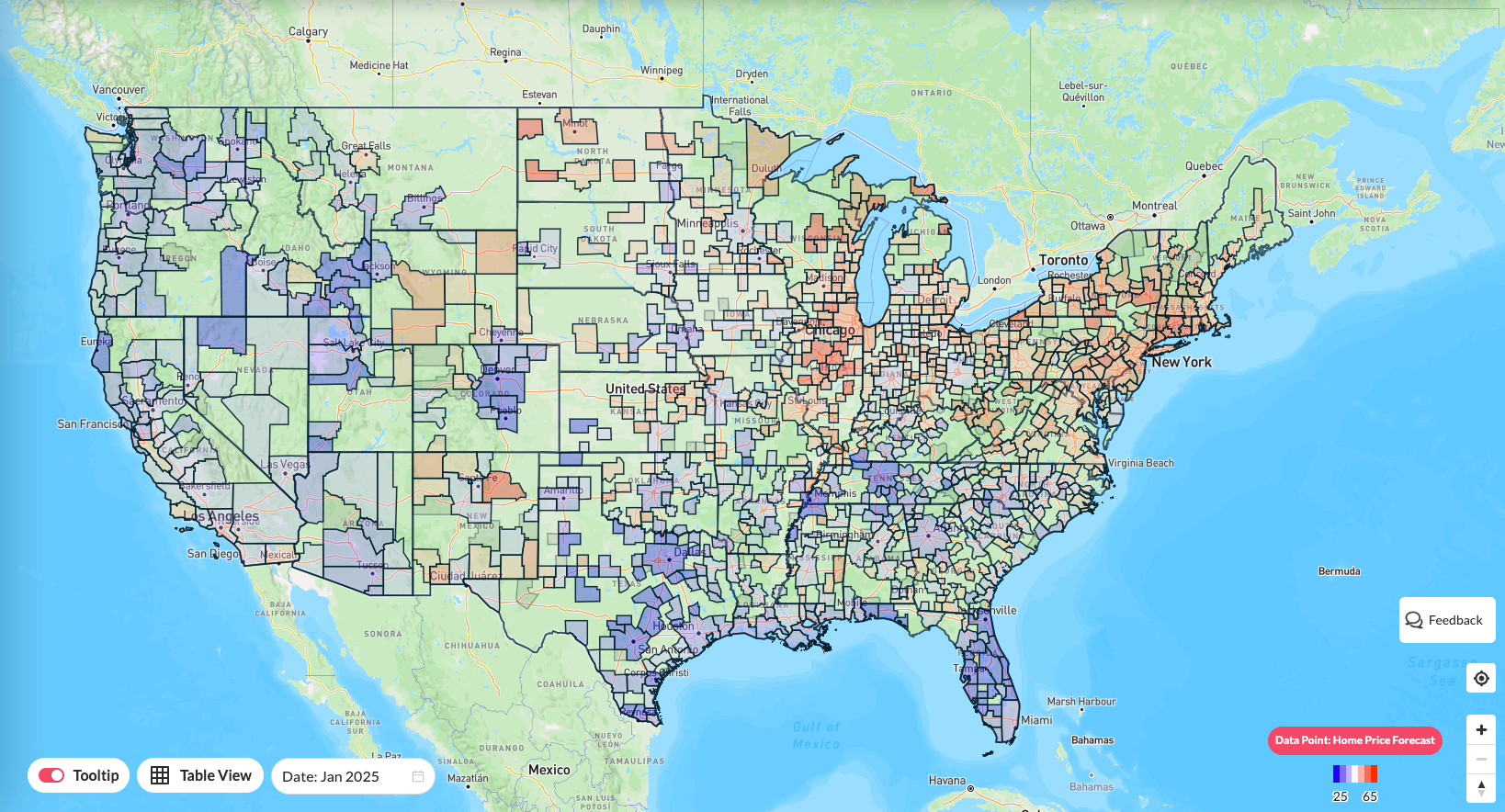
Imagine a realtor with a listing in Clearwater. The seller resists lowering the price. With Reventure’s forecast and inventory data, the agent shows where the market is heading. The seller adjusts. And the home sells.
Thousands of agents use it to track affordability, compare income-to-housing ratios, and forecast prices. It helps you cut the guesswork and guide clients toward homes that fit their budget. And eventually building trust and closing stronger deals.
Take Pinellas County in Florida as an example. In August 2025, the value-to-income ratio there was 4.94, with median home values at $369,994 against a household income of $74,822.
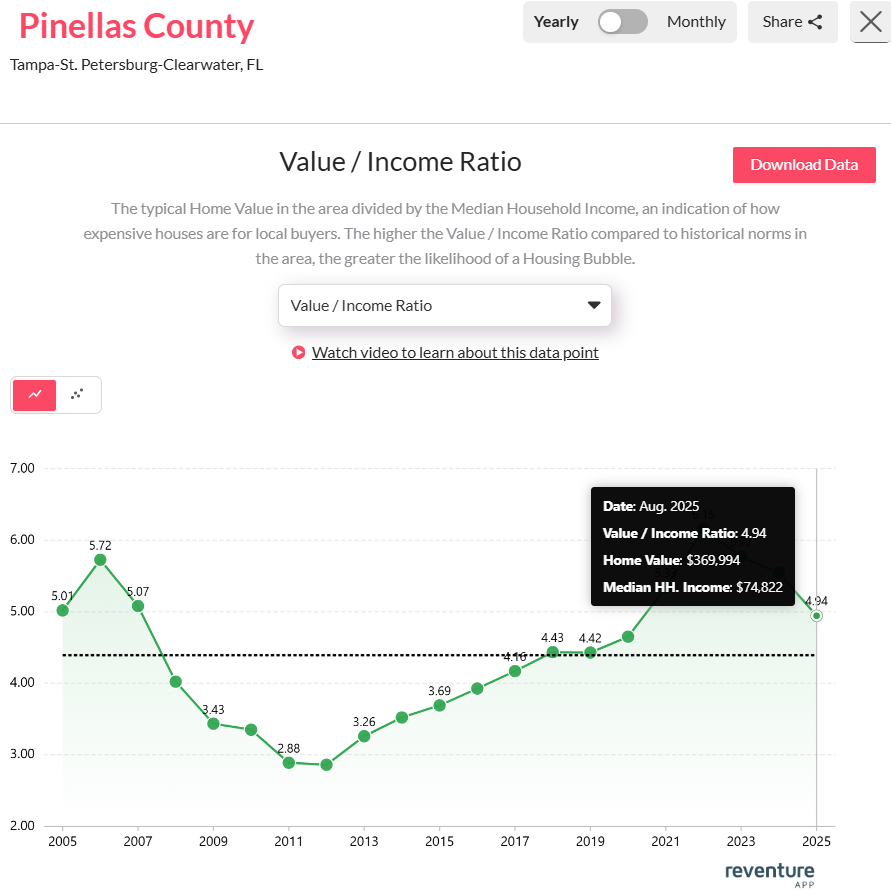
Pinellas County homes now cost nearly 5x household incomes, making the 30% rule harder to follow. Access the above graph here. [Link]
That means homes cost nearly five times what families earn annually. In practice, this makes it tough for buyers to stick to the 30% rule, since monthly payments often eat up far more of their income than the guideline suggests.
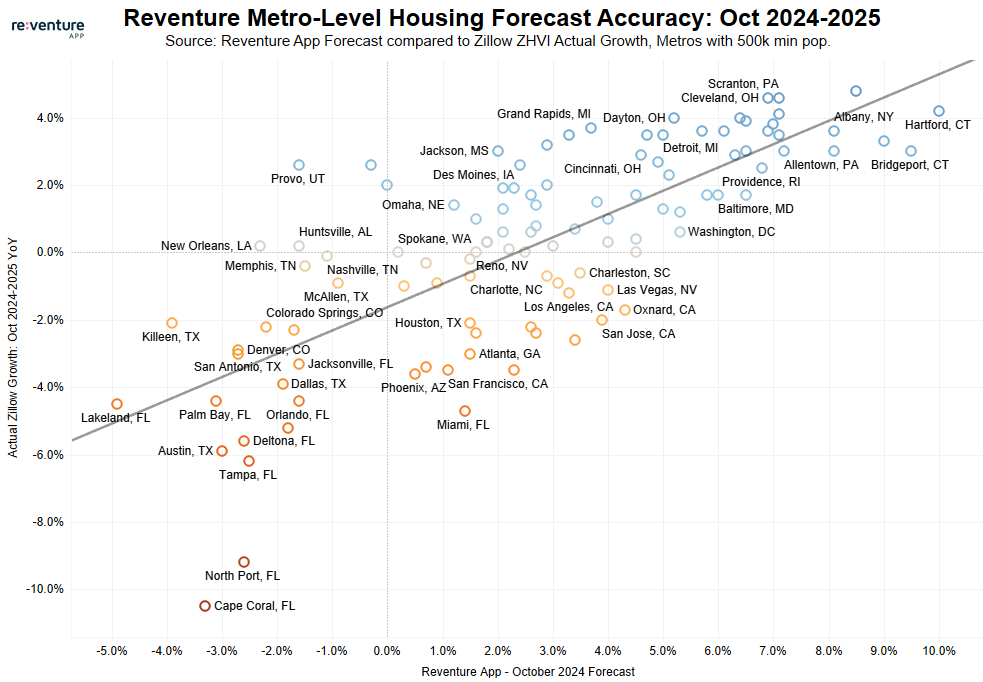
So, get yourself Reventure’s premium plan for just $49 a month. It gives you the most accurate affordability data and forecasts, performing 6x better than Zillow’s. You’ll unlock 40+ premium data points, including local income-to-value ratios, inventory shifts, and price projections.
That’s less than 0.02% of the cost of buying a home. And it could be the difference between guiding a client who breaks the 30% rule and helping them find a home they can truly afford.