Buying property once felt like a sure win. Low rates, booming rents, and endless listings made it easy to grow wealth through real estate. But 2025 feels different. Prices are high, rates are stubborn, and inventory isn’t what it used to be. You may be wondering if the golden age of property investing has passed.
Not quite. The market is changing, not disappearing. Rising rents, tighter supply, and shifting lifestyles are rewriting the playbook. So before you call it quits on real estate, let’s take a closer look. Can property still be a smart move? Or is it time to rethink the strategy?
Let’s find out:
The Mortgage Squeeze Is Real
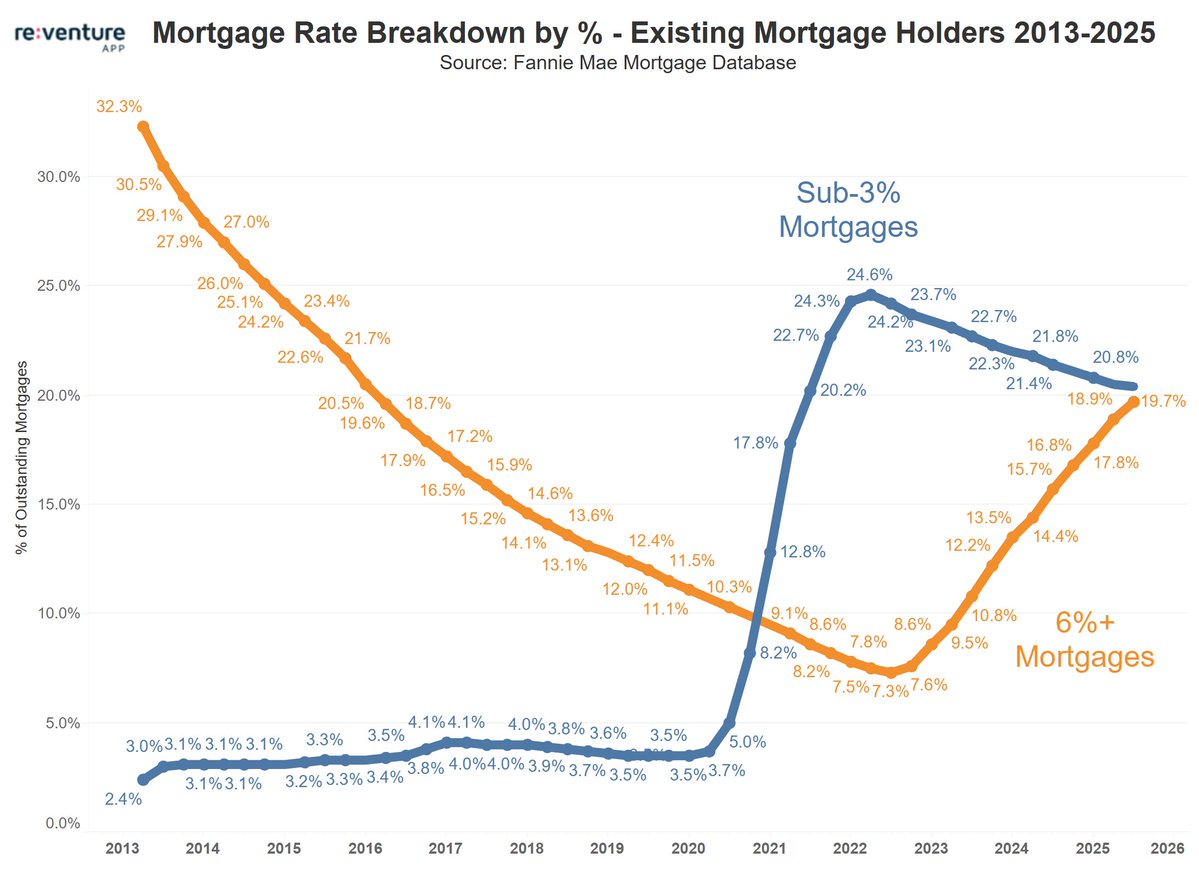
Mortgages tell a quiet story about how the housing market has changed. Back in 2009, nearly 68% of U.S. homeowners had an active mortgage. Fast forward to 2024, and that figure has slipped to 59%, according to Reventure’s national dataset.
That’s roughly 51.7 million mortgaged homes out of 86.6 million owner-occupied households. Fewer people are buying with loans now, partly because those who bought during low-rate years are staying put. It’s a nation of locked-in owners, not eager movers.

Mortgage payments now eat up 33% of income, the highest affordability strain since 2007. Access the above graph here. [Link]
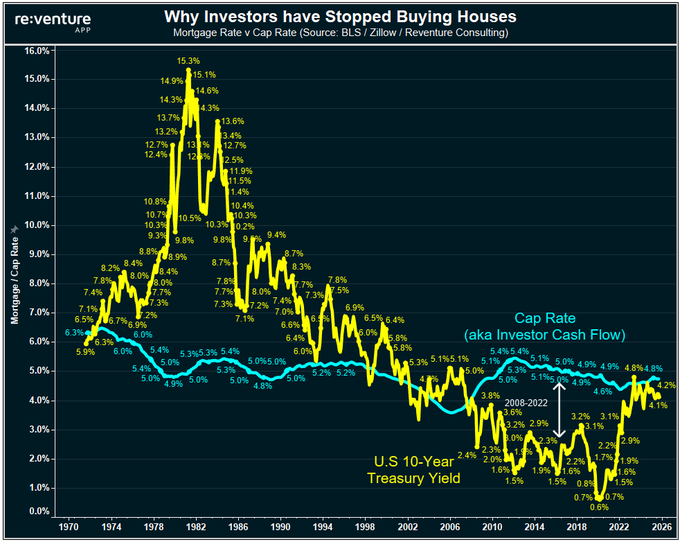
Affordability, meanwhile, has taken a major hit. The average mortgage payment now consumes about 33% of median household income, compared to just 21% in 2019. At the 2023 peak, it climbed as high as 38%, the most unaffordable level since 2007.
It’s not hard to see why buyers are hesitant. When one-third of your paycheck goes to housing before taxes or insurance, even a dream home feels heavy. This imbalance is reshaping the investor mindset, too.
Cash buyers and landlords now dominate a space that used to welcome first-timers. The math has changed, but the opportunity hasn’t vanished. It just demands sharper timing and a clearer view of long-term value.
The Rent Climb That Won’t Quit
While homeowners are holding tight to their mortgages, renters are facing a different reality. One that keeps getting pricier every year. In 2015, the average rent for a medium-to-large U.S. house was about $1,538. By 2025, it reached $2,473, according to data available on Reventure App.
That’s a jump of nearly 60% in just a decade. Apartment rents followed the same path. They climbed from $1,230 in 2015 to almost $1,978 in 2025. It’s no wonder many renters feel like they’re running on a treadmill, paying more but never quite catching up.

House rents have surged nearly 60% in a decade, hitting a record $2,473 in 2025. Access the above graph here. [Link]
And it’s not just the dollar amounts that sting. Rent is now eating a bigger slice of people’s paychecks. In 2020, rent took up about 26% of the median household income. By 2022, that number spiked to almost 30%, and it’s holding steady around 28.6% in 2025.
The small dip since the pandemic peak hasn’t changed much on the ground. For most households, rent growth has far outpaced wage growth. This shift is also blurring the old line between renting and owning. As mortgage payments soar and homeownership gets tougher, many Americans are renting longer. Sometimes by choice, often by necessity.
Investors, meanwhile, are noticing the trend. Rising rents can mean strong returns. But they also hint at deeper affordability cracks. So, if you buy or rent, housing costs are pressing harder on everyone. The dream hasn’t vanished. It’s just become a lot more expensive to chase.
Final Thoughts
So, can real estate still be a smart investment? Yes, but not the way it used to be. The easy wins of the past are gone. Low rates, cheap loans, and fast appreciation have been replaced by tighter margins and tougher choices. But opportunity still lives in the details.
Rents are rising faster than wages, mortgage rates are reshaping affordability, and homeowners are holding longer than ever. For investors, that means strategy matters more than timing. Markets with strong job growth, population inflows, or rising rent-to-income ratios still offer real potential. But that’s only if you know where to look.
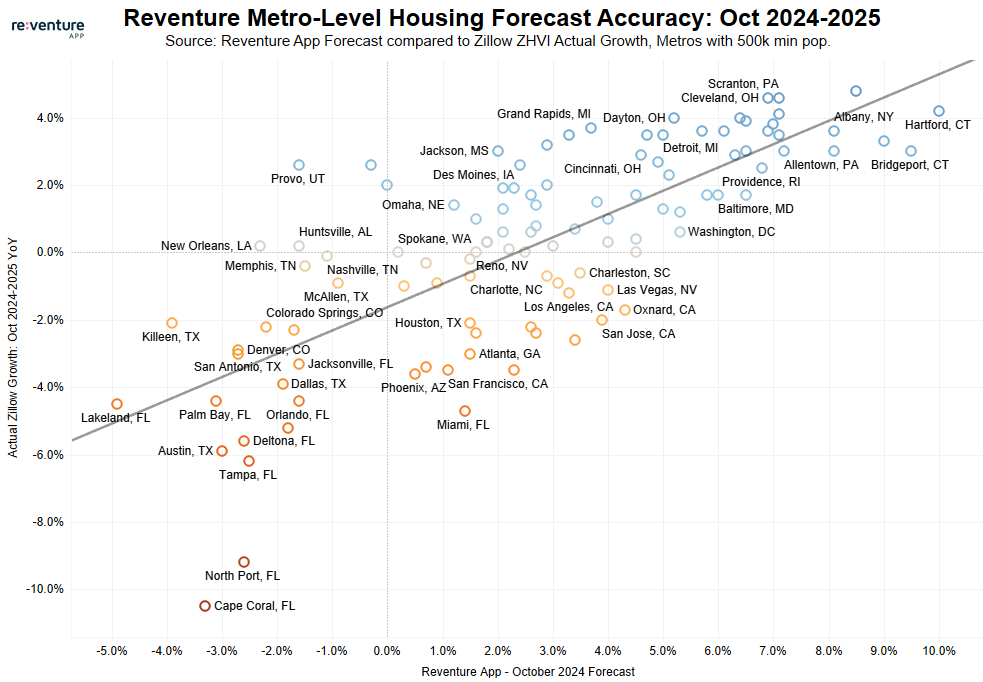
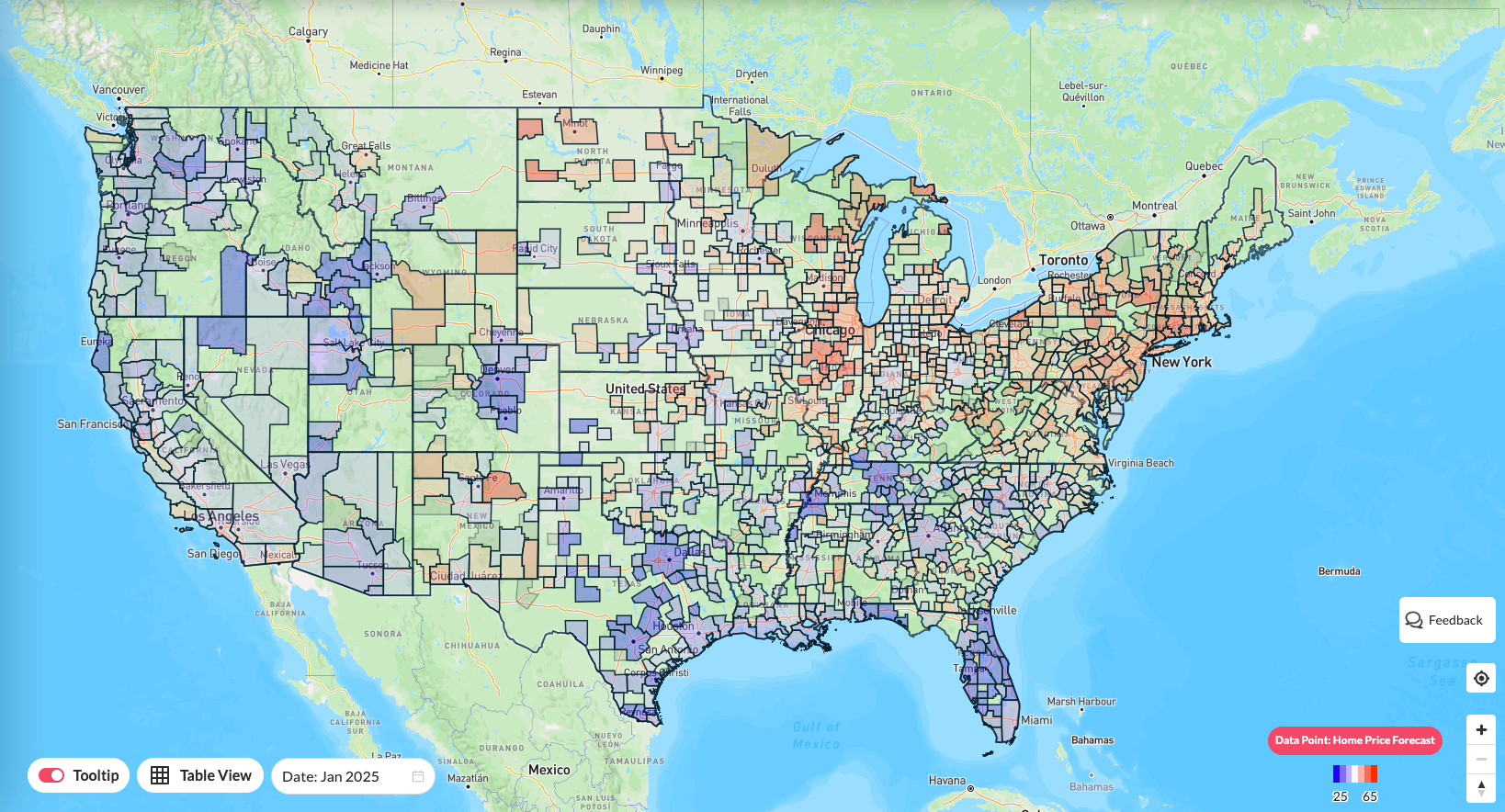
If you want to see your state, metro, or county’s investment situation, buy Reventure Premium. For just $49 a month, you can access 40+ data points, from mortgage-to-income ratios to rent burdens and inventory growth. And it offers 6x more accurate forecasts than Zillow. Because in a market that’s holding tighter than ever, precision isn’t a luxury.
Upgrade to Reventure Premium